Plant AIBuilt for greenhouses. Grounded in Alaska.
A dedicated plant intelligence system is being developed for greenhouse operations, Alaska plant identification, and field observations. It grows from the public Plant Kiosk and the tools already operating through Secret Garden.
Plant AI is not starting as an empty concept. The public desktop project and Secret Garden tools already cover plant records, care schedules, identification, local observations, and Alaska growing work.
01
Plant Kiosk
Plant records and care operations
The open Plant repository already supports a local SQLite catalog, plant profiles, watering and feeding schedules, image records, optional identification, import and export, and offline use.
Public prototype02
Secret Garden
Alaska observations and growing notes
Secret Garden holds the public Alaska plant identifier, the observation map, greenhouse and propagation notes, controlled pollination records, and real Eagle River growing context.
Working field tools03
Plant AI
A dedicated greenhouse and Alaska plant system
The new work brings those foundations together without presenting prototype disease or care output as a diagnosis or an autonomous greenhouse decision.
Active development
System view
Greenhouse, identification, and field evidence stay connected.
New dedicated system
A working memory for every zone, crop, and plant batch.
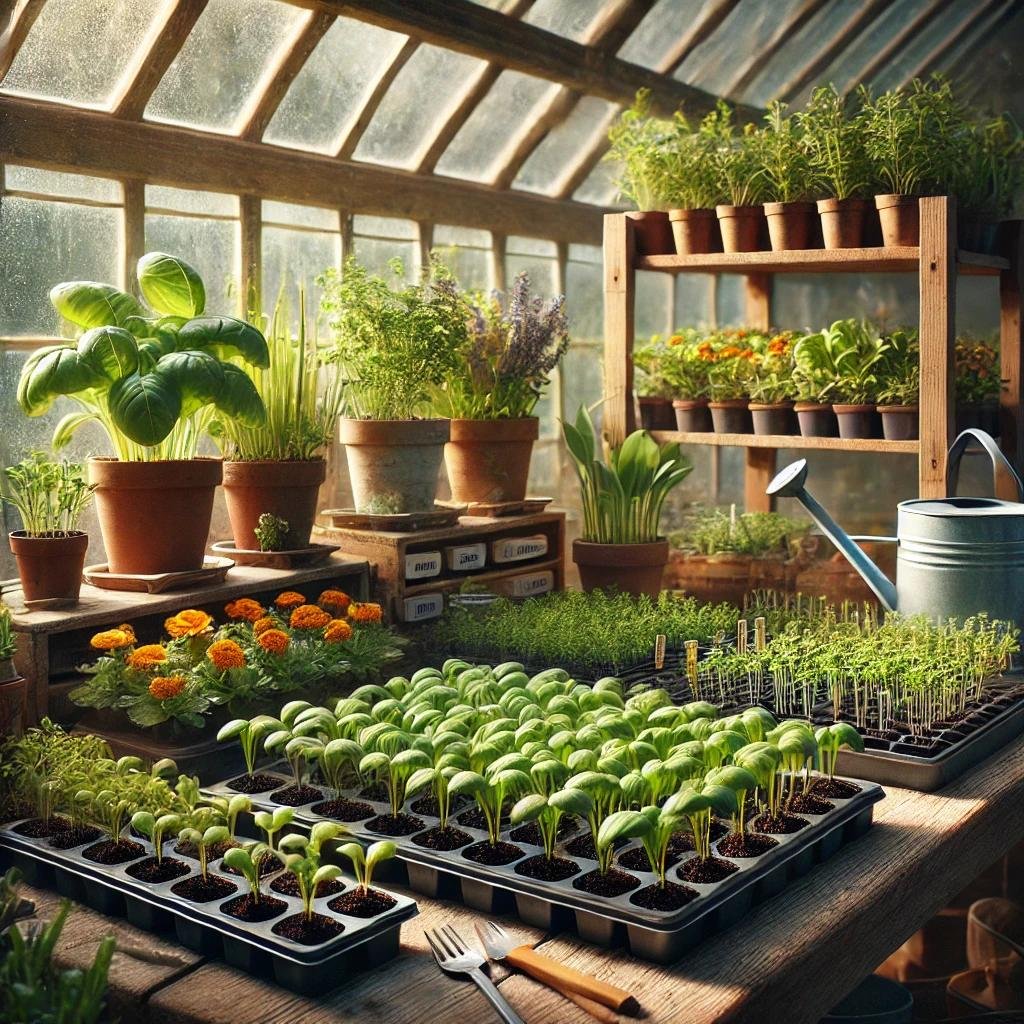
The greenhouse system is being designed around actual growing work: plant records, propagation batches, care tasks, environmental readings, weather, and staff observations held in one local-first operating record.
Foundation
Plant Kiosk data model
Deployment
Local-first greenhouse system
Automation
Human-reviewed actions
01
Observe
Photos, notes, crop stage, zone, and environmental readings.
02
Compare
Care history, plant profile, local weather, and recent changes.
03
Schedule
Watering, feeding, inspection, transplant, and follow-up tasks.
04
Review
A grower confirms the action and records the result.
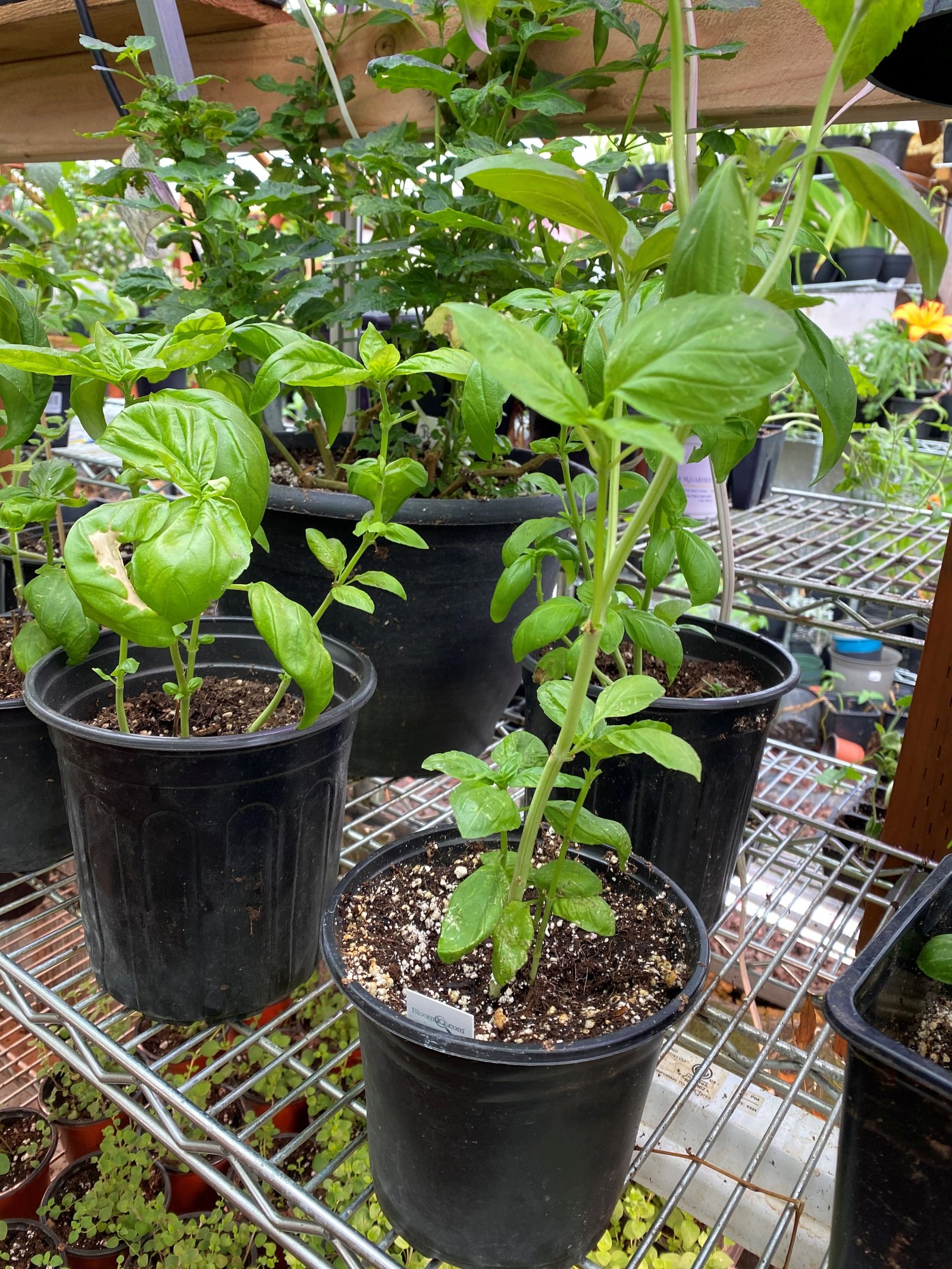
Secret Garden greenhouse growing record
Greenhouse operating model
Recommendations should know the plant, the place, and what changed.
A useful greenhouse system cannot look at a leaf in isolation. It needs the plant or batch history, its exact growing zone, recent care, current conditions, and the result of the last intervention.
01
Plant layerSpecies, variety, source, batch, growth stage, images, and plant history.
02
Place layerGreenhouse, zone, shelf, bed, container, and field-observation location.
03
Environment layerTemperature, humidity, light, soil moisture, weather, and manual readings as connected hardware becomes available.
04
Care layerWatering, feeding, inspection, propagation, transplant, and harvest tasks with recorded outcomes.
Alaska identification track
A regional identifier with an observation trail.
Development draws on USDA plant records, Secret Garden photo and trial records, and the Alaska Plant Atlas structure. The goal is a candidate set that explains what evidence helped, what remains uncertain, and where the observation belongs on the map.
Regional candidatesPrioritize plants documented in Alaska before widening the search.
Season and habitatUse observation date, plant part, habitat, and region as identification context.
Alternatives retainedKeep credible alternatives visible when an image cannot support one answer.
Mapped evidenceConnect reviewed observations to the Alaska atlas and later field checks.
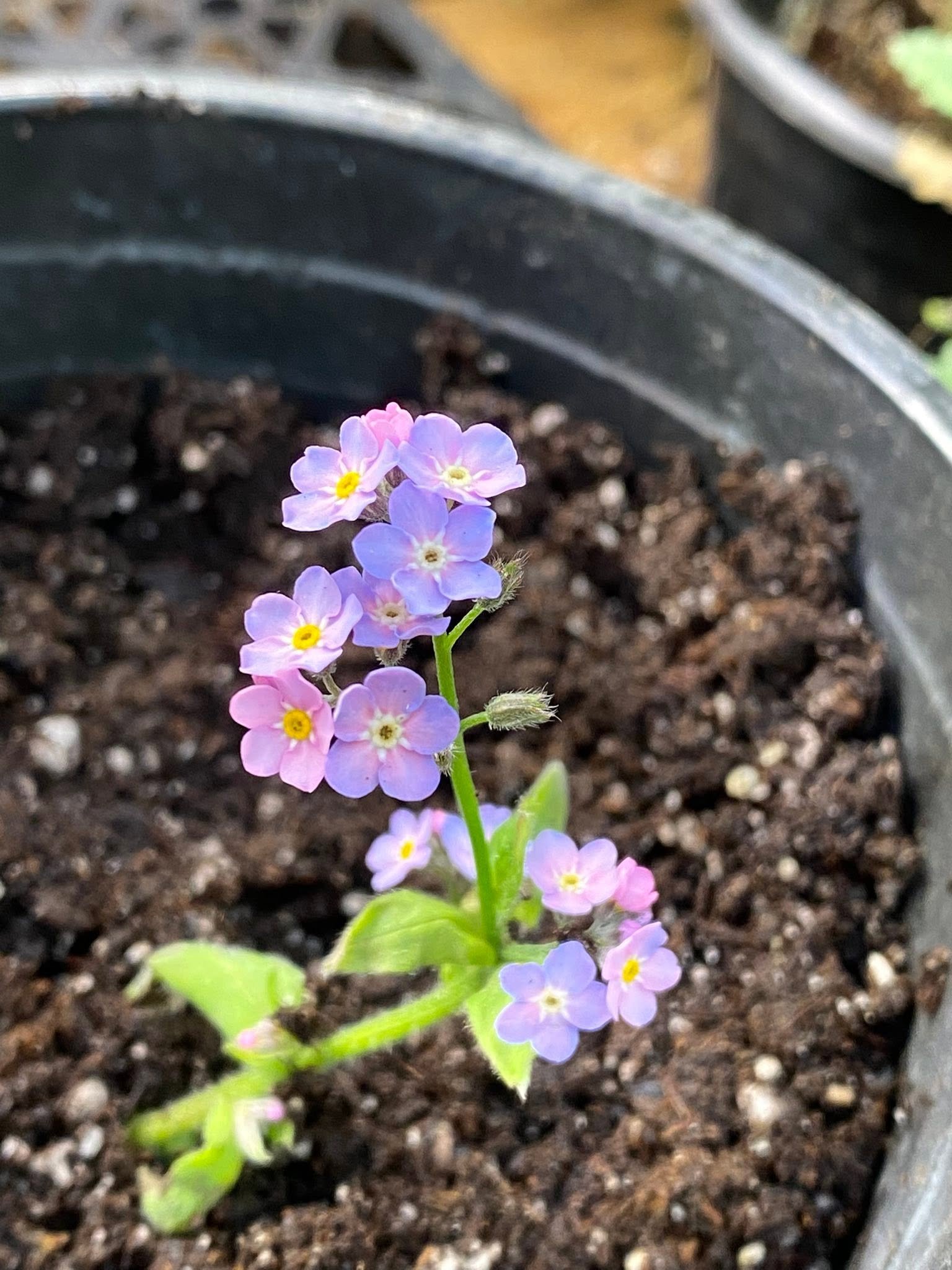
Secret Garden observation: color variation recorded with the plant, pot, and growing context visible.
Public records
Use the current tools and follow the new system as it develops.